The boardroom is where positions are defended. The campfire is where they're examined.
One of the most common things we hear from leaders after a Tracking Success programme is some version of:
"I had no idea my team thought that." "I had no idea they had so much to say."
These are teams who have worked together for years.
They've attended strategy off-sites. Sat through meetings and town halls. Shared dashboards and presentations. Discussed targets, budgets and execution plans.
And yet somehow, during the Campfire Conversations, the discussion changes.
That shift is not accidental.
It's designed that way.
For most of human history, the most important conversations did not happen in formal meeting spaces. They happened around fires.
Anthropologists studying hunter-gatherer societies observed that daytime conversations focused mostly on logistics and coordination — who was doing what, where, and when.
But the conversations around the fire were different.
That was where people reflected. Interpreted events. Shared lessons. Discussed trust, risk, fear, relationships and meaning.
Modern organisations are highly effective at operational conversations. Less effective at creating the conditions for honest reflection.
That is why Campfire Conversations sit at the centre of the Tracking Success experience.
"The campfire activities elicited information that was incredibly enlightening to me as a CEO." — Hazel Wheldon, MHS Inc
We do not begin a Tracking Success experience with business discussions.
We begin with the teaming adventure.
Teams are immersed in a high-stakes wildlife tracking experience where they must solve problems together, adapt to changing conditions, respond to uncertainty and make decisions under pressure.
Something important happens in the process.
- Energy changes.
- Barriers come down.
- Trust builds.
- People begin noticing themselves and each other differently.
Then we pause.
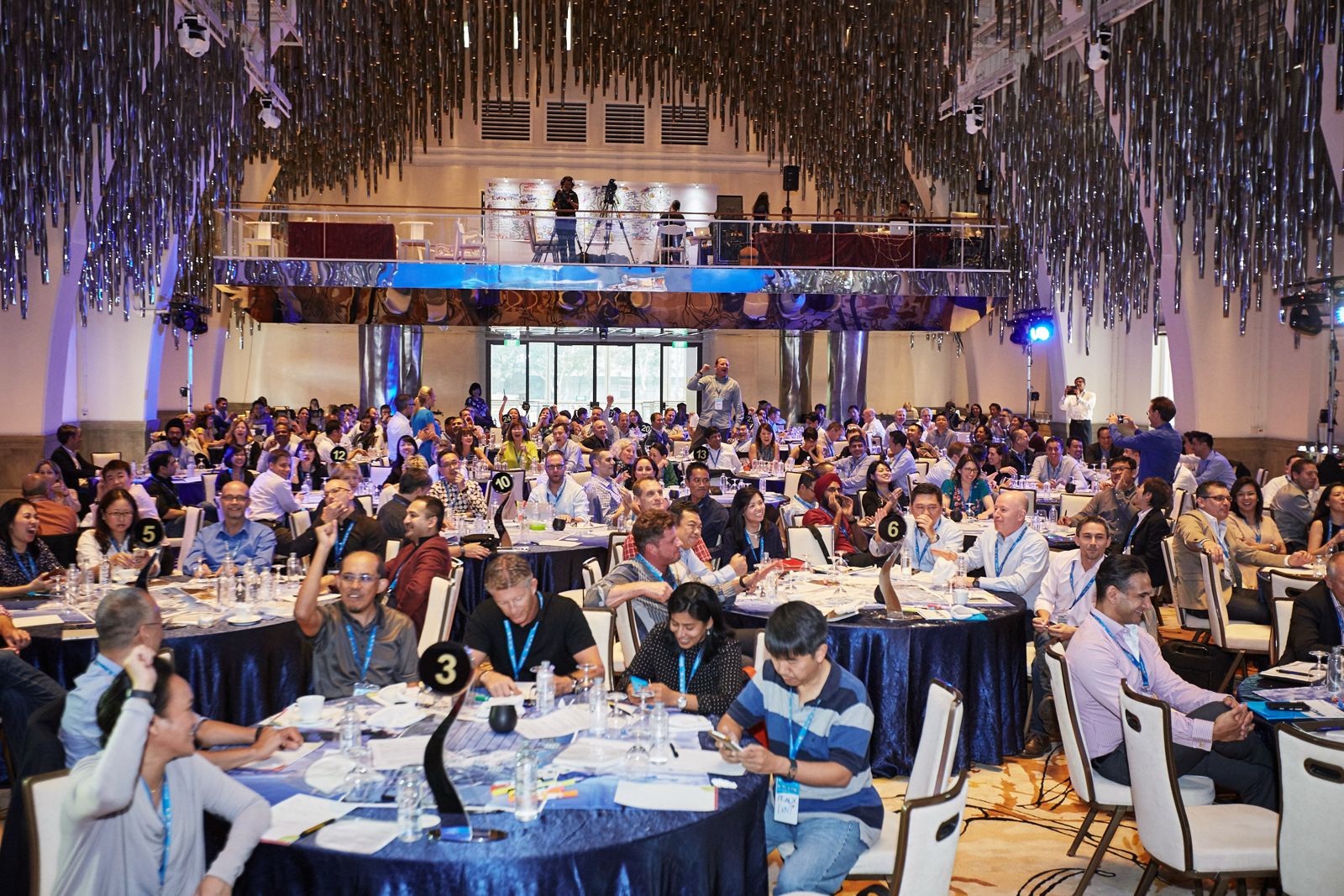
The conditions are now ripe for the Campfire Conversations to begin.
A Campfire Conversation is not an abstract reflection exercise. And it is not disconnected from the business.
It is a structured leadership intervention designed to create the conditions for conversations most organisations struggle to have.
We explore questions like:
- What are we tracking as a business?
- What alarm calls might we be ignoring?
- How do we respond under pressure?
- What risks are emerging beneath the surface?
- How do we get back on track when we drift?
- What tracks are we leaving behind as leaders?
- What am I personally tracking in my own leadership journey?
These are vital questions about direction, awareness, behaviour, leadership and trust.
Importantly, the shared experience comes first. You cannot force meaningful dialogue cold. Something needs to happen together first. Something that creates emotional engagement, shared reference points and human connection.
That is what the tracking adventure does.
By the time the business discussions begin, people are more open, more engaged and more willing to contribute honestly.
- The room shifts.
- People listen more carefully.
- Challenge more honestly.
- Reflect more deeply.
- Speak with greater authenticity.
The facilitator's role is critical.
Not to provide answers.
Not to dominate the discussion.
But to hold the frame, ask the right questions, and create space for real conversation.
And because the conversation emerges from a shared experience — rather than simply another agenda item — people often say the things that truly matter.
That is where the ROI comes from.
Not from entertainment.
Not from theory.
Not from motivation.
But from creating the conditions for richer conversations, stronger alignment, deeper trust, and practical action.
The power of Tracking Success lies in the movement between adventure and reflection.
Into the experience.
Out to the campfire.
Back into the experience.
That rhythm changes the energy of the room — and ultimately the quality of the conversations organisations are able to have.